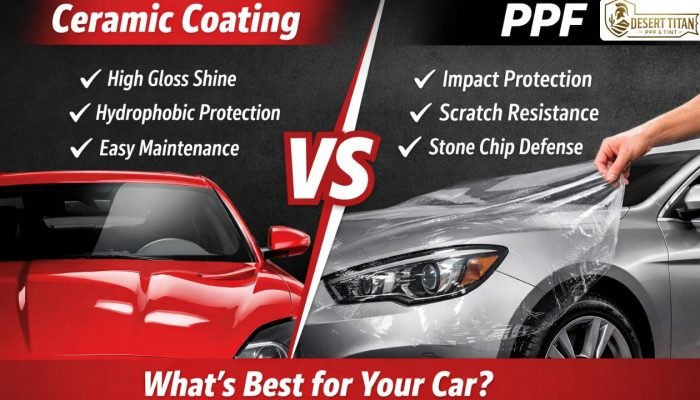
When it comes to protecting your vehicle’s paint and keeping it looking brand new, two of the most popular options are ceramic coating and paint protection film (PPF). But how do you know which one your car actually needs?
Choosing the right protection depends on your driving habits, budget, and expectations.
What is Ceramic Coating?
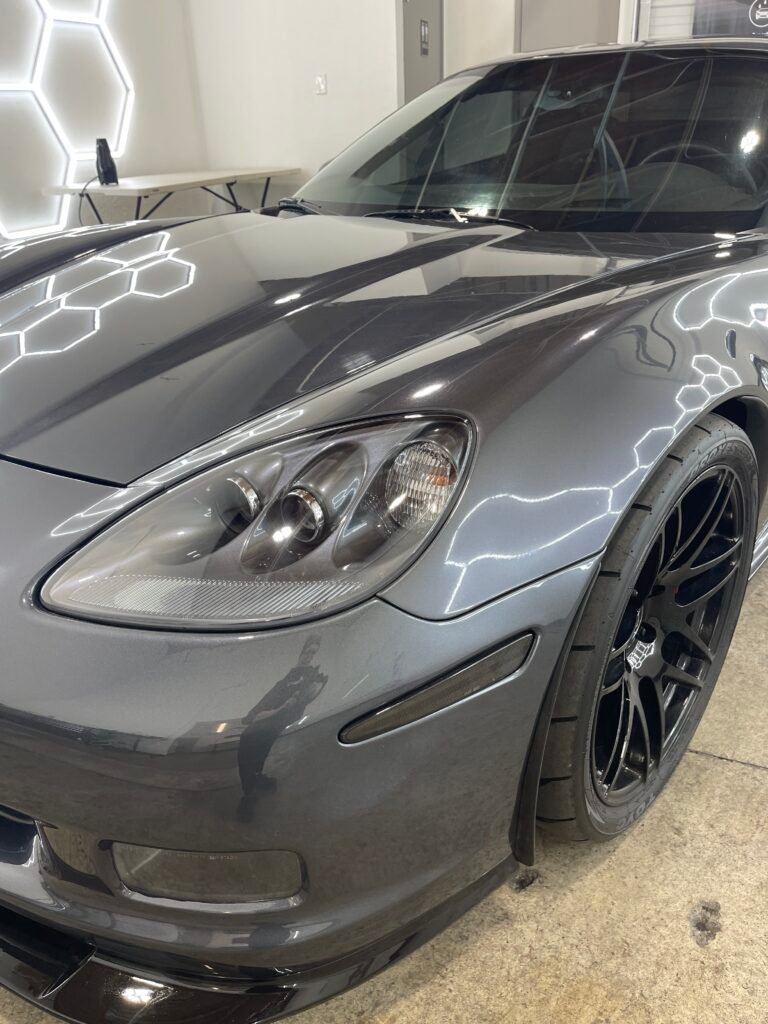
Ceramic coating is a liquid polymer applied to your car’s exterior that chemically bonds with the paint. It creates a protective layer that offers:
- Hydrophobic (water-repelling) properties
- UV protection to prevent fading
- Enhanced gloss and shine
- Easier cleaning and maintenance
It’s ideal for car owners who want a sleek, polished look with minimal upkeep.
What is Paint Protection Film (PPF)?
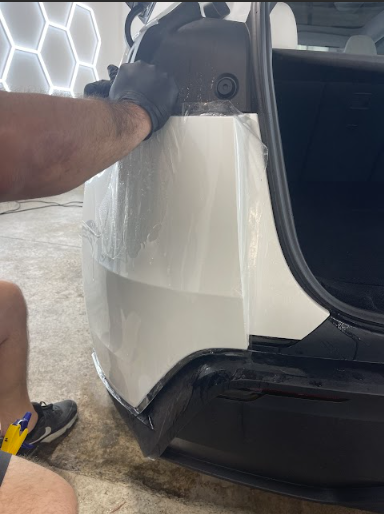
PPF is a transparent, durable film applied to the surface of your car. It acts as a physical barrier against damage.
Key benefits include:
- Protection from rock chips and scratches
- Self-healing properties (minor scratches disappear)
- Resistance to road debris and impacts
- Long-lasting durability
PPF is best for drivers who want maximum protection against physical damage.
Ceramic Coating vs PPF: Key Differences
| Feature | Ceramic Coating | Paint Protection Film (PPF) |
|---|---|---|
| Protection Type | Chemical protection | Physical barrier |
| Scratch Resistance | Light swirl resistance | Strong impact resistance |
| Durability | 2–7+ years | 5–10+ years |
| Appearance | High gloss finish | Clear or matte finish |
| Maintenance | Easy cleaning | Low maintenance |
| Cost | Moderate | Higher investment |
When Should You Choose Ceramic Coating?
Ceramic coating is the right choice if you:
- Want a high-gloss, showroom finish
- Prefer easy maintenance and cleaning
- Drive mostly in urban or low-risk environments
- Are looking for a cost-effective paint protection solution
Best For:
- Daily drivers
- Car enthusiasts focused on aesthetics
- Vehicles with minimal exposure to road hazards
When Should You Choose PPF?
PPF is ideal if you:
- Drive frequently on highways or rough roads
- Want maximum protection against chips and scratches
- Own a luxury or high-value vehicle
- Plan to keep your car long-term
Best For:
- New cars
- Performance vehicles
- Areas prone to heavy debris (front bumper, hood, mirrors)
Can You Combine Ceramic Coating and PPF?
Yes, and it’s actually one of the best solutions.
Many car owners choose to:
- Apply PPF on high-impact areas (front end, hood, side mirrors)
- Use ceramic coating over the entire car for added shine and protection
This combination gives you the best of both worlds:
- Strong physical protection
- Easy maintenance and enhanced appearance
Quick Decision Guide
| Your Priority | Best Option |
|---|---|
| Maximum shine & easy cleaning | Ceramic Coating |
| Protection from chips & scratches | PPF |
| Budget-friendly option | Ceramic Coating |
| Long-term heavy-duty protection | PPF |
| Best overall protection | Both Combined |
Common Mistakes to Avoid
- Choosing based on price alone instead of needs
- Skipping professional installation
- Assuming ceramic coating prevents rock chips
- Not maintaining the coating or film properly
Avoiding these mistakes ensures long-lasting results and better protection.
Car Care Tips After Installation
No matter which option you choose, proper maintenance is key:
- Wash your car regularly using pH-neutral products
- Avoid automatic car washes with harsh brushes
- Dry with microfiber towels
- Inspect surfaces periodically for damage
These simple steps help maintain a fresh, like-new appearance.
Why Choose Desert Titan PPF & Tint?
When it comes to protecting your vehicle, expertise matters. Desert Titan PPF & Tint is a trusted name for professional ceramic coating and PPF services. Their skilled team uses premium materials and advanced techniques to deliver flawless results.
Whether you need high-gloss ceramic coating or heavy-duty paint protection film, Desert Titan PPF & Tint ensures your vehicle stays protected, stylish, and easy to maintain. Trust their experts to provide long-lasting protection that keeps your car looking fresh for years.