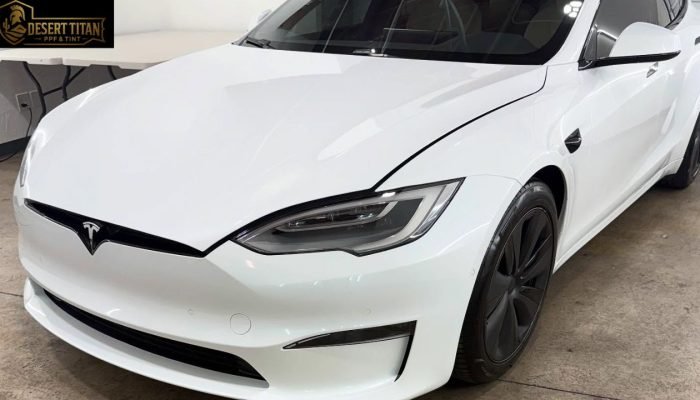
Paint Protection Film (PPF) is a fantastic investment for maintaining your car’s exterior. It provides a protective layer that shields your vehicle from road debris, scratches, and environmental factors, ensuring your car stays looking pristine for years. However, just like any other protective layer, PPF requires proper maintenance to perform at its best.
What is Paint Protection Film (PPF)?
Paint Protection Film (PPF) is a transparent, durable polyurethane film applied to a car’s paint to protect it from scratches, chips, and environmental contaminants. The film is designed to be virtually invisible, so it doesn’t alter the look of your vehicle, while providing a high level of protection.
PPF is most commonly applied to high-impact areas such as the hood, bumpers, and side mirrors, but it can be used on the entire car to ensure maximum protection.
1. Regular Washing
Washing your car regularly is key to maintaining the performance of PPF. Dirt, debris, and contaminants can accumulate on the surface and affect the film’s longevity.
How to Maintain:
- Use a pH-neutral car shampoo: Harsh chemicals can degrade the PPF, so always use a gentle, pH-balanced soap.
- Rinse thoroughly: Before washing, rinse the vehicle to remove loose dirt and grime.
- Hand wash or use a touchless car wash: Avoid automatic car washes with brushes, as they can cause micro scratches or damage the PPF.
Maintenance Tip:
When washing, use a microfiber cloth to avoid scratching the surface of the PPF. Always wash your car in a shaded area to avoid water spots from forming.
2. Drying Properly
After washing, it’s essential to dry your car properly to avoid water spots or streaks, which can be harder to remove from PPF.
How to Maintain:
- Use a soft microfiber towel: Gently dry the surface to avoid scratching the PPF.
- Use a leaf blower: For a water spot-free finish, a leaf blower can be a great tool to blow off excess water from the surface and in between small areas.
Maintenance Tip:
Avoid using a regular towel or chamois, as they may have dirt or debris that could scratch the surface of your PPF.
3. Avoid Harsh Chemicals and Abrasive Products
Chemicals such as waxes, sealants, or abrasive cleaners can damage PPF over time. While PPF is designed to be durable, using improper cleaning products can reduce its effectiveness.
How to Maintain:
- Avoid wax and polish: Many waxes and polishes are too harsh for PPF and may leave a residue that’s difficult to remove.
- Use PPF-safe cleaners: If you need to clean off stubborn contaminants like tar or bug residue, use products specifically designed for PPF or vinyl wraps.
Maintenance Tip:
If you need to use a cleaner, always check if it’s safe for PPF to ensure it won’t cause damage to the film.
4. Dealing with Contaminants
While PPF provides excellent protection, it’s still important to remove contaminants like bird droppings, tree sap, or road tar as soon as possible.
How to Maintain:
- Promptly remove contaminants: Use a soft microfiber cloth and a PPF-safe cleaner to gently remove contaminants before they have time to settle or dry on the surface.
- Use clay bars for stubborn contaminants: If contaminants are stuck to the PPF, a gentle clay bar treatment can help remove them without damaging the film.
Maintenance Tip:
Never let contaminants sit on your PPF for too long, as they can cause staining or bonding to the film over time.
5. UV Protection
While PPF provides a layer of UV protection, it’s still important to minimize exposure to direct sunlight for long periods.
How to Maintain:
- Park in the shade: Whenever possible, park your car in a shaded area or use a car cover to protect it from prolonged sun exposure.
- Use a ceramic coating: Applying a ceramic coating over the PPF can enhance its UV resistance and provide an added layer of protection against contaminants.
Maintenance Tip:
Always use a UV protectant specifically designed for automotive use to help protect both your car’s paint and the PPF from the sun.
6. Annual Inspection and Professional Care
Even though PPF is designed to be long-lasting, it’s always a good idea to have your PPF inspected once a year by professionals to ensure it’s still functioning properly.
How to Maintain:
- Inspect the film regularly: Check for any lifting or peeling edges, yellowing, or damage to the film. Early detection can help prevent further damage.
- Seek professional assistance: If you notice any issues or the PPF starts to look dull, a professional detailer can fix minor imperfections or even replace the PPF if necessary.
Maintenance Tip:
Schedule a professional detailing appointment annually to ensure that your PPF is properly maintained and continues to provide optimal protection.
PPF Maintenance Tips
| Tip | Description |
|---|---|
| Regular Washing | Wash the car with a pH-neutral soap and microfiber cloth to avoid scratches. |
| Proper Drying | Use a microfiber towel or leaf blower to prevent water spots and streaks. |
| Avoid Harsh Chemicals | Avoid waxes, sealants, and abrasive cleaners that could damage the PPF. |
| Dealing with Contaminants | Remove contaminants like bird droppings or tree sap promptly with PPF-safe cleaners. |
| UV Protection | Park in the shade or use a car cover to minimize UV exposure and protect the PPF. |
| Annual Inspection | Have the PPF professionally inspected for any damage or wear. |
Why Choose Desert Titan PPF & Tint?
When it comes to Paint Protection Film (PPF), you want to trust the experts. Desert Titan PPF & Tint specializes in providing high-quality PPF installations and expert maintenance services to ensure your vehicle remains protected and looking like new. With our professional care, we help you keep your car’s paint safe from road debris, scratches, and the harsh environment.